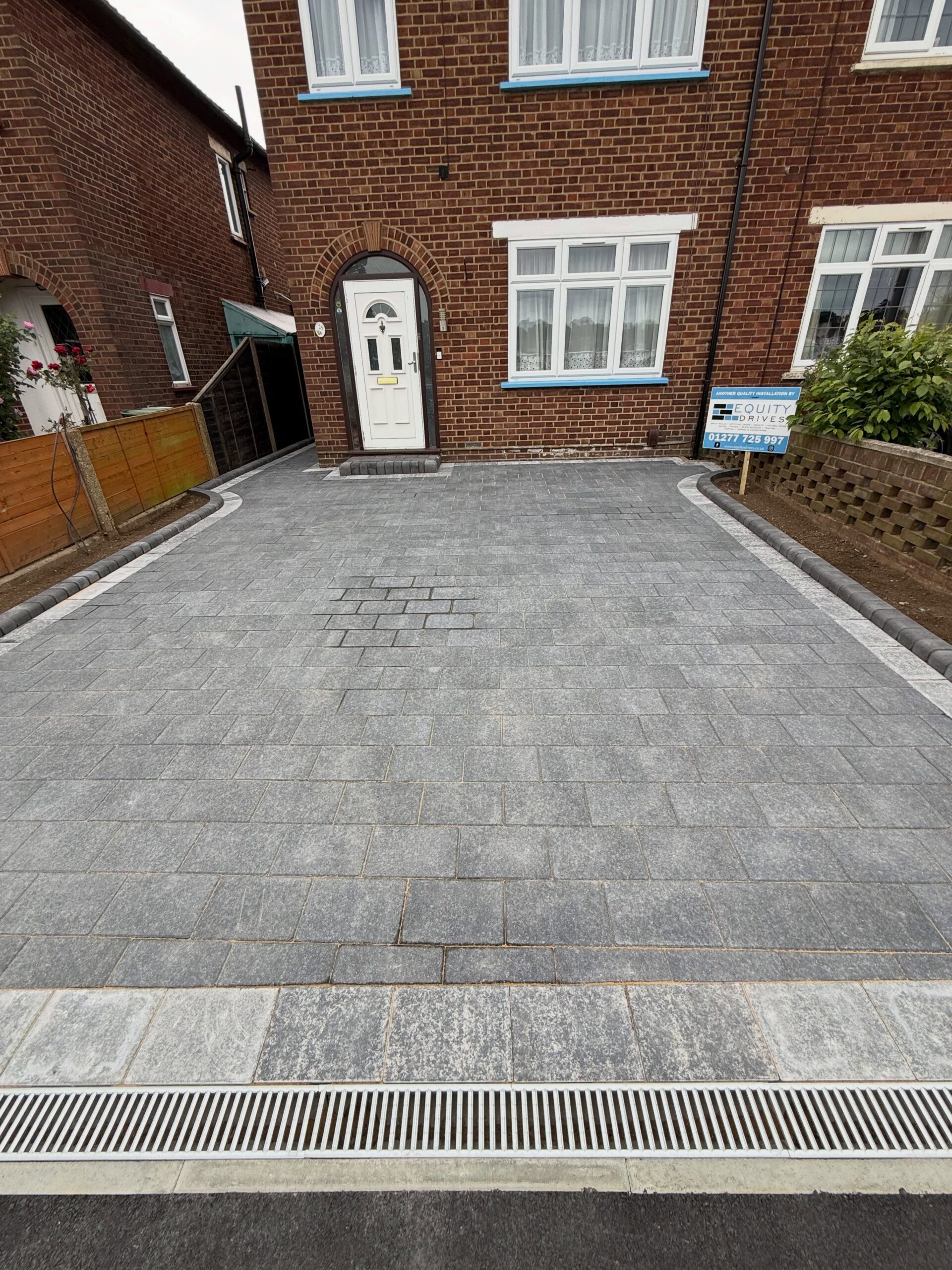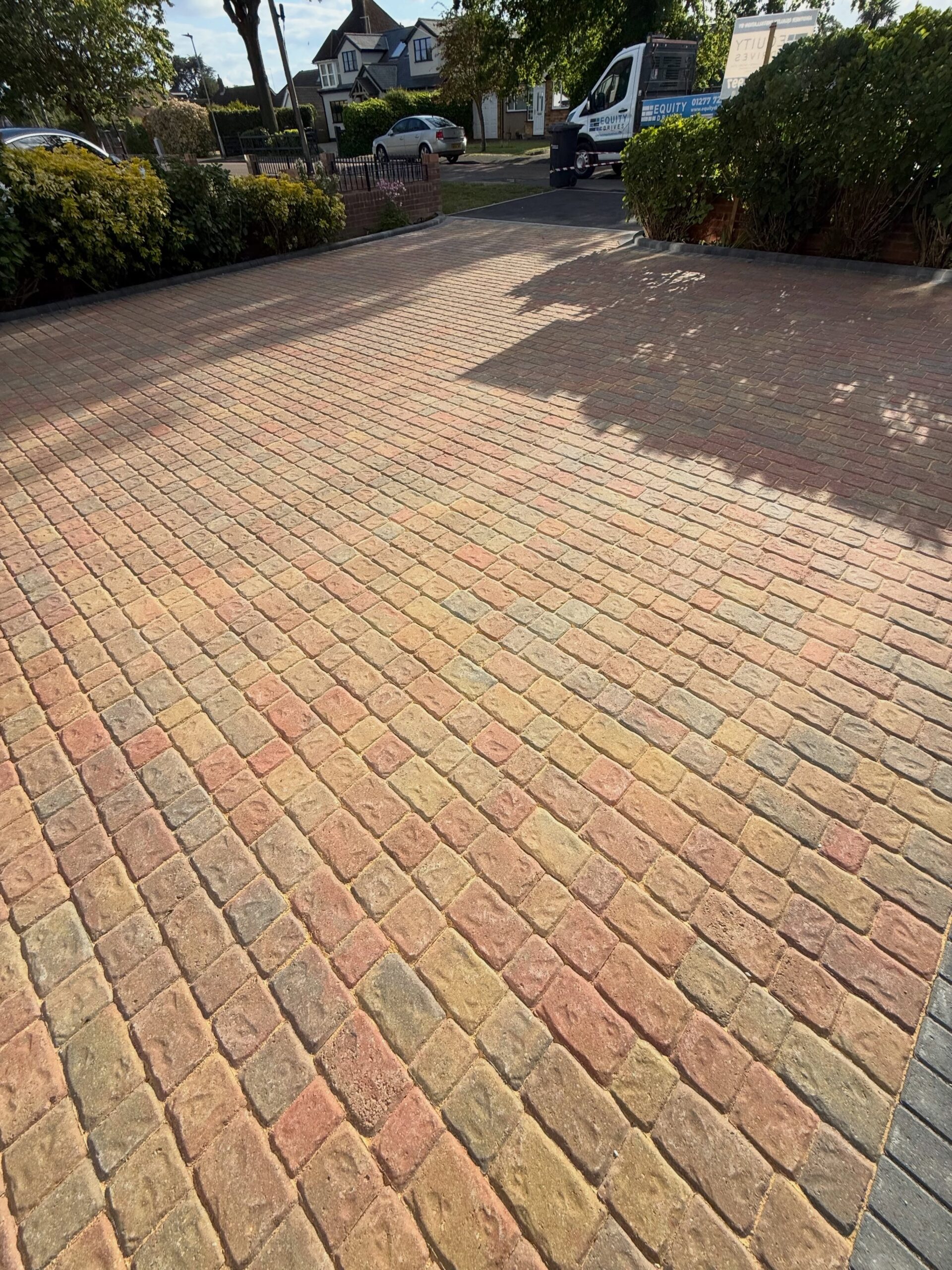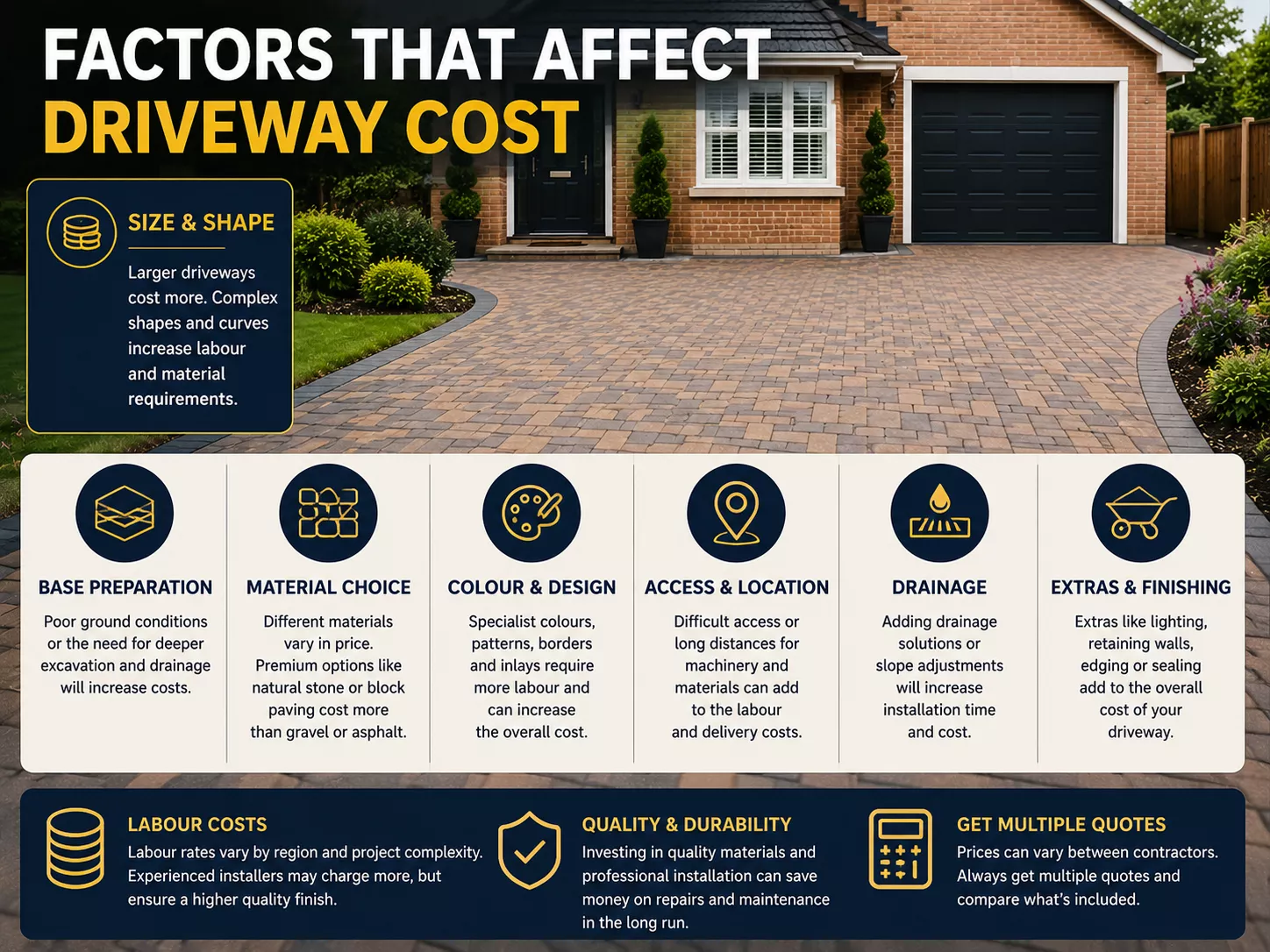
Driveway cost is mainly affected by the surface material, groundwork, drainage, driveway size, site access, waste removal, edging, layout, and the condition of the existing ground. The surface you see at the end is only one part of the price. A well-built driveway also needs a strong base, correct levels, proper water management, and careful installation.
That is why two driveways on the same street can cost very different amounts. One may only need a simple resurfacing job. The other may need excavation, new sub-base layers, drainage channels, edging, waste removal, and extra labour because access is tight.
In simple terms, the more preparation your driveway needs before the new surface goes down, the more the project is likely to cost.
What Factors Affect Driveway Cost?
| Cost Factor | Why It Affects the Price |
| Driveway size | Larger areas need more materials, labour, excavation and waste removal |
| Surface material | Gravel, tarmac, concrete, block paving and resin all have different costs |
| Ground preparation | Weak, uneven or damaged ground needs more work before installation |
| Sub-base depth | A stronger base may be needed for vehicles, poor soil or long-term durability |
| Drainage | Driveways must manage rainwater properly to avoid pooling and damage |
| Site access | Tight access can mean more manual labour and slower installation |
| Waste removal | Old concrete, rubble, soil and blocks need to be broken up and removed |
| Edging and borders | Kerbs, block borders and decorative finishes add materials and labour |
| Shape and design | Curves, patterns, slopes and awkward cuts take longer to install |
| Existing problems | Tree roots, damaged drains, manholes or soft ground can increase the work |
Why Driveway Costs Vary So Much
A driveway is a bit like an iceberg. The finished surface is what everyone sees, but most of the important work happens underneath.
A homeowner may look at a driveway and think, “I just need new paving.” A contractor looks at the same space and thinks about levels, drainage, excavation depth, sub-base strength, edge restraint, waste removal, and how vehicles will move across the surface every day.
That is why a driveway quote should never be judged by the top layer alone. A cheaper quote may look attractive at first, but if it skips proper preparation, the surface may sink, crack, move or hold water later.
A good driveway is not just laid. It is built.
1. Driveway Size
Driveway size is one of the clearest cost factors. A larger driveway usually needs more materials, more excavation, more sub-base, more labour and more time.
However, size does not always work in a perfectly simple way.
A large, open driveway with easy access may be more efficient to install than a smaller driveway with awkward corners, narrow access, drains, steps and walls. For example, a straight 50m² driveway on clear ground may be easier to complete than a 25m² driveway squeezed between a house wall, a boundary fence and a narrow pavement.
So, while square metre size matters, contractors also look at how practical the space is to work in.
2. Driveway Surface Material
The material you choose has a major effect on the final driveway cost. Each surface has a different installation process, appearance, maintenance level and expected performance.
| Driveway Material | Typical Cost Position | Main Benefit |
| Gravel | Usually lower cost | Affordable, quick to install and naturally permeable |
| Tarmac | Mid-range | Practical, neat and suitable for everyday use |
| Concrete | Mid-range | Strong, simple and durable when installed well |
| Block paving | Mid to higher | Decorative, repairable and available in many styles |
| Resin-bound | Often higher | Smooth, modern, permeable and low maintenance |
The cheapest surface is not always the best choice for every home. Gravel may suit a large rural driveway, but it can move around and need topping up. Block paving may cost more, but individual blocks can be lifted and replaced. Resin-bound surfacing can create a premium finish, but it needs the right base and skilled installation.
The best material depends on how the driveway will be used, what look the homeowner wants, how much maintenance they are happy with, and what the existing ground can support.
3. Ground Preparation
Ground preparation is often the biggest hidden cost in a driveway project.
Before any new surface is installed, the contractor needs to know what is happening underneath. Is the ground firm or soft? Is the old driveway cracked? Is water sitting on the surface? Are there tree roots? Is the existing base strong enough, or does it need replacing?
Ground preparation may include:
- Removing the old driveway surface
- Digging down to the correct depth
- Taking away soil, rubble and waste
- Levelling uneven areas
- Installing a strong sub-base
- Compacting the ground properly
- Correcting soft spots or dips
This work is not always visible once the driveway is complete, but it has a huge impact on the result. A driveway with poor groundwork may look fine on day one, then start to sink, crack or move after heavy rain or regular vehicle use.
4. Sub-Base Strength
The sub-base is the load-bearing layer beneath the driveway surface. It spreads the weight of vehicles and helps keep the finished surface stable.
A driveway used for one small car may not need the same preparation as a driveway used for multiple vehicles, vans or heavier traffic. Poor soil, clay ground, weak existing layers or sloped areas may also require more preparation.
A strong sub-base helps prevent:
- Sinking
- Rutting
- Cracking
- Loose edges
- Uneven paving
- Water movement below the surface
This is one reason some driveway quotes are higher than others. A contractor who includes the right base preparation is pricing for long-term performance, not just a quick surface finish.
5. Drainage Requirements
Drainage can change the whole quote.
Rainwater needs somewhere to go. If it cannot drain properly, it may pool on the surface, soften the ground, wash out joints, damage edges or create problems near the house.
Good driveway drainage may include:
- Correct falls and gradients
- Permeable surfacing
- Gravel areas
- Channel drains
- Soakaways
- Drainage outlets
- Water directed towards lawns or borders
In many UK front garden projects, drainage is also linked to planning rules. Permeable surfaces, or designs that direct water into a suitable permeable area, are often simpler from a planning point of view than impermeable surfaces that send water towards the road or public drains.
A cheap driveway that ignores drainage can become expensive later. Water always finds the weakest point.
6. Site Access
Access is easy to overlook, but it can make a big difference to labour time.
A contractor will look at questions such as:
- Can machinery reach the driveway?
- Is there room for a skip?
- Can materials be delivered close to the work area?
- Is the road narrow or busy?
- Is there shared access?
- Are there steps, slopes, gates or tight corners?
- Will some work need to be done by hand?
If access is difficult, the job usually takes longer. Materials may need to be moved manually. Waste may need to be carried further. Equipment may need to be smaller or more specialist.
This does not always change the material cost, but it can increase labour.
7. Waste Removal
Old driveway materials do not disappear on their own.
Concrete, tarmac, blocks, soil, weeds, roots and hardcore all need to be removed from site. If the old surface is thick, reinforced or difficult to break up, waste removal can take more time and add cost.
This is why homeowners should check whether waste disposal is included in the quote. A lower price may not always include full clearance, skip hire or disposal fees.
A proper driveway quote should make this clear.
8. Edging, Borders and Kerbs
Edging is not just decorative. It helps hold the driveway in place.
Without proper edge restraint, some surfaces can spread, move or lose shape over time. This is especially important for block paving, gravel and driveways with exposed sides.
Common finishing details include:
- Kerb edging
- Block paving borders
- Raised edges
- Decorative stone bands
- Drain covers
- Step edges
- Pathway links
- Planting borders
These features can make a driveway look much more polished. They also add materials, cutting, setting out and labour. In other words, they improve the finish, but they also affect the price.
9. Driveway Shape and Layout
A simple square or rectangular driveway is usually easier to install than a driveway with curves, tight corners, slopes or detailed patterns.
Shape affects cost because it changes how much cutting, measuring and finishing is needed. Block paving is a good example. A straightforward layout may be quicker to install, while a detailed pattern with borders and colour changes takes more time and skill.
The same applies to resin, tarmac and concrete. Awkward edges, level changes and drainage points all need careful planning.
The more complex the layout, the more labour is usually involved.
10. Existing Problems on Site
Sometimes the driveway surface is only part of the story. A contractor may find other issues that need fixing before the new driveway can be installed properly.
These may include:
- Damaged manhole covers
- Poor surface water drainage
- Tree root damage
- Soft or wet ground
- Uneven levels near the house
- Old concrete hidden below the surface
- Crumbling retaining edges
- Weak boundary walls
- Existing paving laid on a poor base
This is why a site visit matters. A driveway may look simple in photos, but the real cost depends on what the contractor finds on site.
11. Labour and Installation Skill
Labour is not just time on site. It also includes experience, planning, setting out, levels, machinery use, finishing skill and problem-solving.
A skilled driveway contractor knows how to prepare the ground, manage drainage, create clean edges and install the chosen surface correctly. That expertise affects the quality of the final result.
A lower labour price may seem appealing, but poor installation can lead to costly repairs later. A driveway is used every day, often by heavy vehicles, in changing weather. It needs to be installed with care.
12. Location and Local Conditions
Driveway costs can also vary by area. Labour rates, disposal costs, material delivery charges and local demand can all influence the final quote.
Local ground conditions also matter. Some areas have clay soil, poor drainage or sloped plots. Others may have older properties with narrow access, existing walls, shared driveways or conservation restrictions.
A good local contractor will understand these details and price the job based on real site conditions, not just a standard online estimate.
Cheap Driveway vs Good-Value Driveway
There is a big difference between a cheap driveway and a good-value driveway.
A cheap driveway focuses only on reducing the upfront price. A good-value driveway looks at the whole result: strength, drainage, appearance, daily use, maintenance and lifespan.
A good-value quote should explain:
- What surface is being installed
- How deep the excavation will be
- What sub-base will be used
- How drainage will be handled
- Whether edging is included
- Whether waste removal is included
- How long the work is expected to take
- What preparation is needed before installation
The best driveway quote is not always the lowest one. It is the one that clearly explains what is included and why.
A Simple Example
Imagine two neighbours both want a new block paved driveway.
The first driveway has a firm base, easy access and good drainage. The old surface is simple to remove, and the area is open enough for machinery.
The second driveway looks similar from the road, but underneath it has soft ground, tree roots, poor drainage and old broken concrete. It also needs new edging and a drainage channel.
To the homeowner, both jobs may look almost the same.
To a contractor, they are completely different projects.
That is why driveway cost is never just about the surface.
How to Keep Driveway Costs Under Control
Homeowners can manage driveway costs by making clear decisions early and asking the right questions before work starts.
Useful steps include:
- Choose a material that suits your budget and property
- Ask what groundwork is included
- Check how drainage will be managed
- Confirm whether waste removal is included
- Keep the layout simple if budget is tight
- Avoid unnecessary decorative extras
- Ask whether the existing base can be reused safely
- Get a written quote with clear details
The aim is not always to choose the cheapest option. The aim is to avoid surprise costs and make sure the driveway is built properly.
Final Answer
The main things that affect driveway cost are material choice, driveway size, ground preparation, sub-base depth, drainage, access, waste removal, edging, layout complexity and existing site problems. The surface creates the look, but the preparation creates the strength. A driveway with good groundwork, correct drainage and suitable materials will usually offer better long-term value than one built only to meet the lowest price.
For homeowners, the smartest approach is simple: do not compare quotes by price alone. Compare what is included, how the base will be built, how water will drain, and whether the contractor has properly assessed the site. A well-built driveway should improve kerb appeal, make parking easier and handle everyday use without constant problems. When done properly, it becomes more than a place to park. It becomes a lasting upgrade to the whole property.
FAQs
What is the biggest factor affecting driveway cost?
The biggest factor is usually the amount of preparation needed before the new surface is installed. Groundwork, excavation, sub-base installation, drainage and waste removal can affect the price as much as the surface material itself.
Why do driveway quotes vary so much?
Driveway quotes vary because each site is different. One driveway may have easy access and a solid base, while another may need excavation, drainage, edging, waste removal and repairs to weak ground.
Is gravel the cheapest driveway option?
Gravel is often one of the cheapest driveway materials because it is simple to install and naturally drains well. However, it may need more maintenance than surfaces such as tarmac, resin or block paving.
Does drainage increase driveway cost?
Yes, drainage can increase the cost if channels, soakaways, permeable paving or level corrections are needed. However, good drainage helps protect the driveway and can prevent more expensive problems later.
Does a bigger driveway always cost more?
A bigger driveway normally costs more overall because it needs more materials and labour. However, a small driveway with difficult access or complex groundwork can sometimes cost more per square metre than a larger, simpler driveway.
Why is groundwork so important for a driveway?
Groundwork creates the foundation for the driveway. If the base is weak, the surface may sink, crack, move or hold water. Good preparation helps the finished driveway last longer.
Are block paving driveways more expensive?
Block paving is usually more expensive than gravel or basic tarmac, but it offers a decorative finish and can be easier to repair because individual blocks can be replaced.
Can I reduce driveway cost by keeping the design simple?
Yes. A simple shape, fewer borders, fewer patterns and easy access can help reduce labour time and material waste. Complex designs usually cost more because they take longer to install.
Should waste removal be included in a driveway quote?
Yes, it should be clearly stated. Old concrete, paving, soil and rubble must be removed from site, and disposal can affect the final price.
How do I know if a driveway quote is good value?
A good-value quote should clearly explain the surface material, groundwork, sub-base, drainage, edging, waste removal and labour. It should not just give one price without showing what is included.