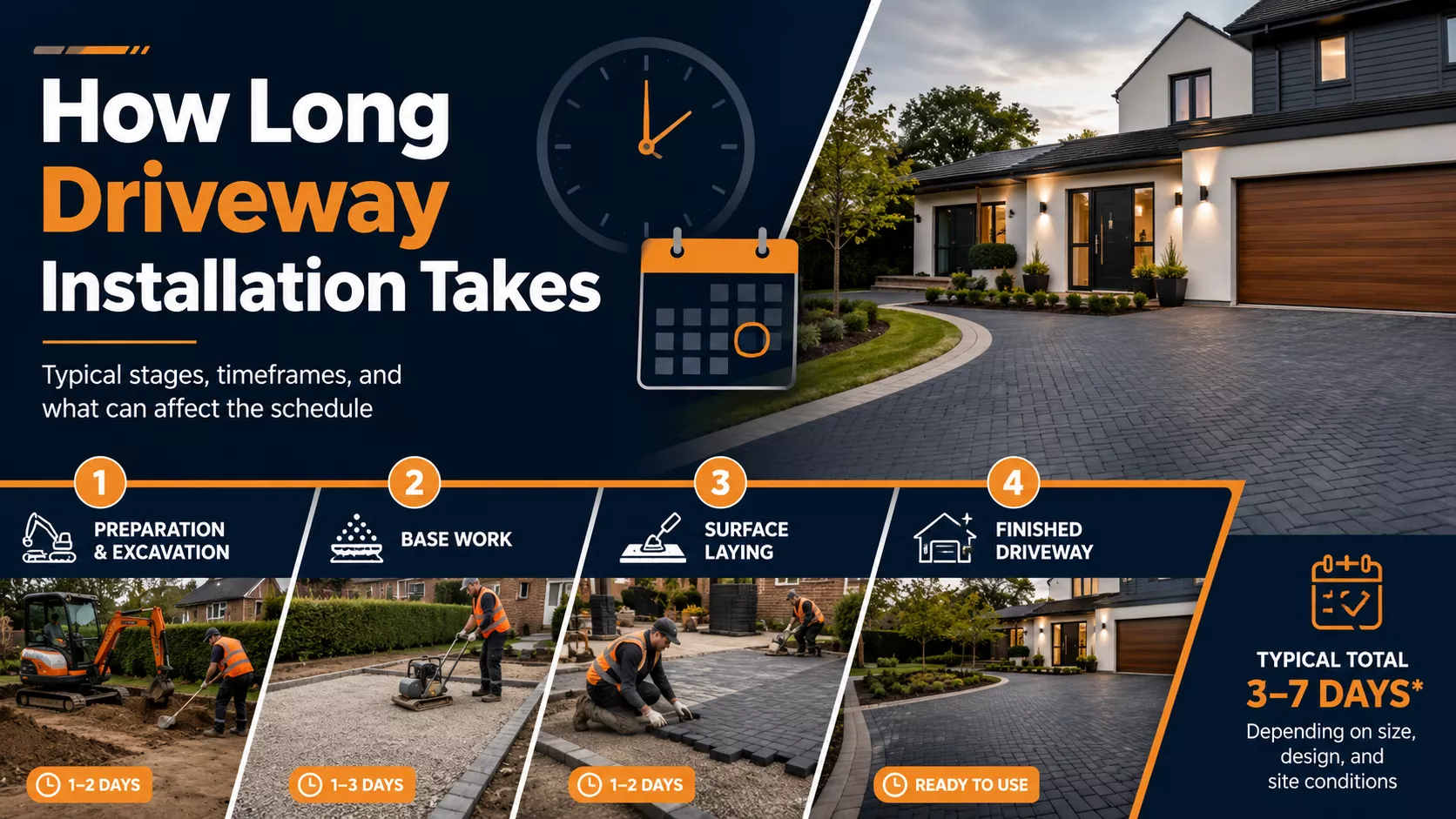
Most driveway installations take between 2 and 7 days, but the real timescale depends on the size of the driveway, the ground condition, drainage, surface choice, weather and site access.
A small, simple driveway may be finished in a few days. A larger driveway with poor ground, extra drainage work or a more detailed finish can take a week or longer.
The important thing is this: a driveway should never be rushed just to meet a quick deadline. The visible surface is only the final layer. The strength of the driveway comes from the excavation, ground preparation, sub-base, drainage and compaction underneath.
What Is the Average Driveway Installation Time?
A typical driveway installation usually takes 2 to 7 working days.
For a straightforward job, such as replacing an old driveway with a similar new surface, the work may be completed quite quickly. But if the old driveway has sunk, cracked, held water or moved over time, the project may need more preparation before the new surface is installed.
That extra time is not wasted. It is often what stops the new driveway from failing later.
Typical Driveway Installation Timescales
As a general guide:
- Small driveway: 2 to 4 days
- Medium driveway: 4 to 6 days
- Large driveway: 1 to 2 weeks
- Complex driveway with drainage or poor ground: longer, depending on the work needed
These timescales are only a guide. A proper site survey gives a much clearer answer because every driveway has its own ground condition, access and drainage needs.
Why Does Driveway Installation Time Vary?
Driveway installation time varies because no two properties are exactly the same.
One driveway may have easy access, firm ground and a simple layout. Another may have soft soil, tree roots, poor drainage, a steep slope or old concrete hidden underneath. From the road, both may look like simple jobs. Once the old surface comes up, the real condition of the driveway becomes clear.
A good contractor will check these details before giving a timescale, not guess from the kerb.
The Main Factors That Affect Driveway Installation Time
Driveway installation may take longer because of:
- Driveway size
- Existing surface removal
- Excavation depth
- Ground condition
- Drainage requirements
- Sub-base thickness
- Edging work
- Surface material
- Weather conditions
- Access for machinery and materials
- Curing or setting time before use
The fastest job is not always the best job. The best driveway is the one built correctly from the ground up.
How Long Does Each Driveway Installation Stage Take?
Driveway installation is not just about laying the final surface. The project moves through several stages, and each one affects the final result.
Site Survey and Planning
Before any digging starts, the contractor checks the driveway area, levels, access, drainage and the type of surface being installed.
This stage helps avoid problems later. For example, if rainwater naturally runs towards the house, drainage needs to be planned before the driveway surface goes down.
Removing the Existing Driveway Surface
The old driveway surface must usually be removed before the new one is installed.
This can be quick if the existing surface is loose gravel or thin tarmac. It can take longer if there is thick concrete, old block paving, hidden layers or damaged sub-base material underneath.
Removing the old surface properly gives the new driveway a clean and stable start.
Excavating the Driveway Area
Excavation creates the correct depth for the new driveway structure.
This stage can take longer if the ground is hard, uneven, waterlogged or full of old rubble. It may also take longer if the driveway needs deeper digging for a stronger sub-base or improved drainage.
Preparing the Ground
Ground preparation is one of the most important parts of the job.
The area must be levelled, shaped and checked before the sub-base is installed. Poor ground preparation can lead to sinking, dips, cracks, loose patches and standing water.
This is where many rushed driveway jobs go wrong. The surface may look neat on day one, but weak preparation often shows up later.
Installing Drainage
Drainage may include channels, soakaways, permeable materials or careful falls that guide rainwater away from the house.
Good drainage is especially important in the UK, where heavy rain can quickly expose weak spots in a driveway. If water sits on the surface or gets trapped below it, the driveway may weaken over time.
Installing and Compacting the Sub-Base
The sub-base is the main strength layer under the driveway surface.
It is usually built with compacted stone laid in layers. Each layer must be compacted properly to create a firm foundation. This takes time, but it is essential.
A thin or poorly compacted sub-base is one of the most common reasons driveways sink.
Setting the Edging
Edging holds the driveway in place and gives the finished surface a neat border.
For block paving, resin, gravel and tarmac driveways, strong edging helps prevent movement, spreading and loose edges. It also improves the appearance of the finished driveway.
Laying the Driveway Surface
Once the base is ready, the chosen surface is installed.
This is the part homeowners often notice most, but it should only happen when the groundwork is complete. Laying the surface too early can trap problems underneath.
Compacting, Finishing and Final Checks
The final stage includes compacting, smoothing, cleaning, checking levels and making sure water flows correctly.
A good contractor will also advise when the driveway can be walked on or parked on, as some surfaces need time to cure, settle or harden.
How Long Does a Block Paving Driveway Take?
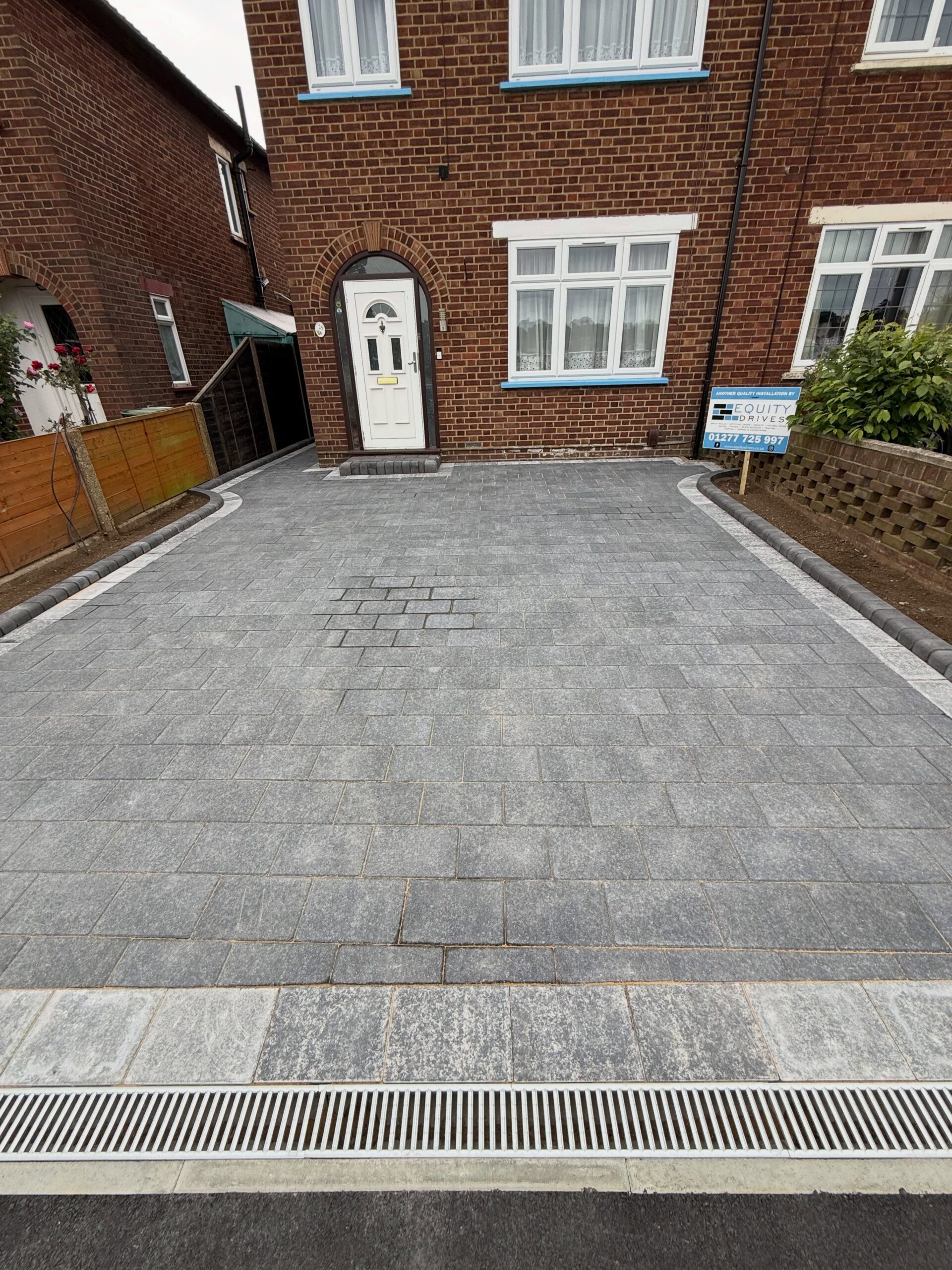
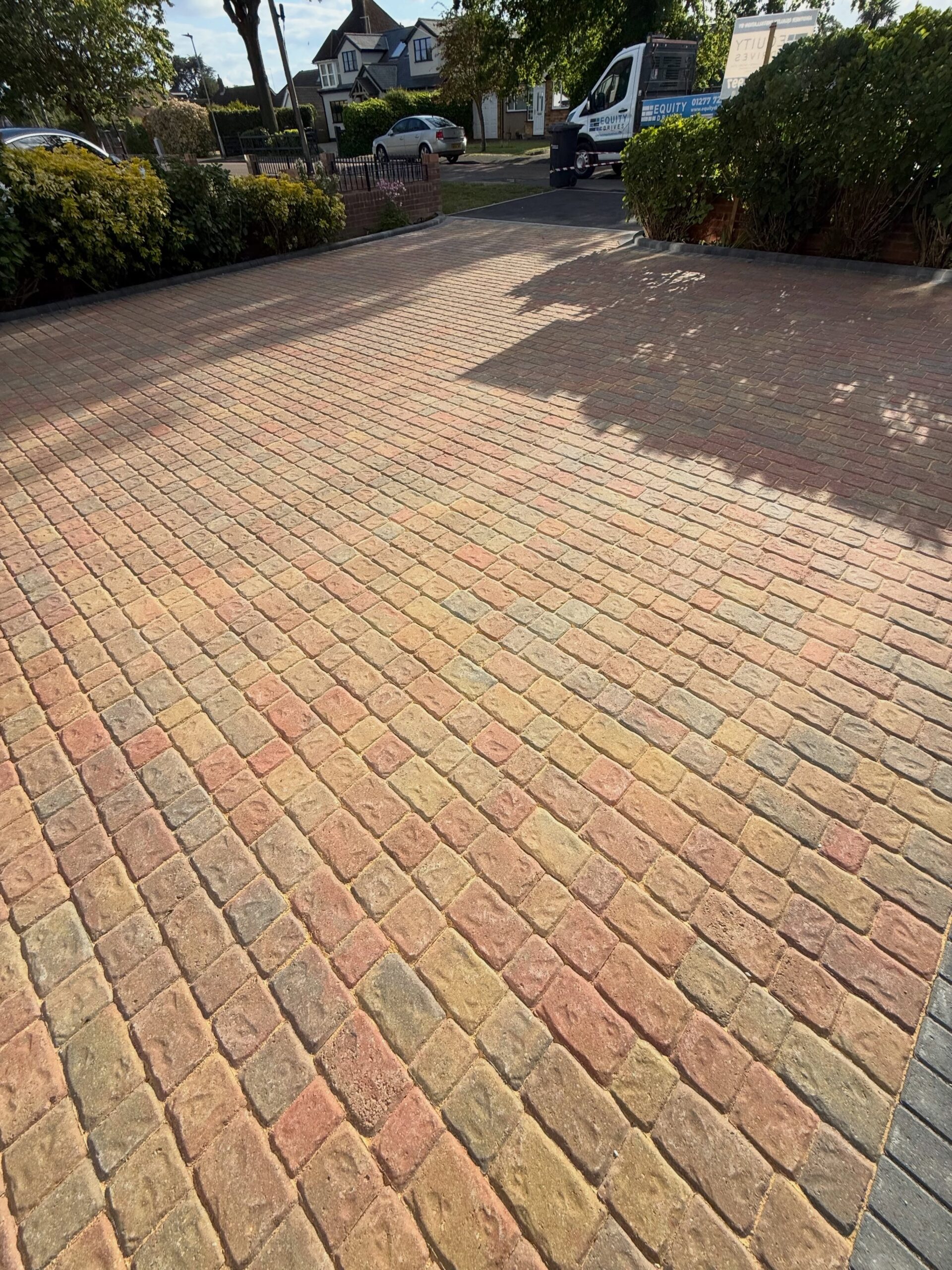
A block paving driveway usually takes 3 to 7 days, depending on size, design and ground condition.
Block paving can take longer than some other surfaces because each block must be laid, aligned, cut and compacted carefully. Detailed patterns, borders, curves and steps may add extra time.
The benefit is control. Block paving allows neat edges, repairable sections and a wide choice of styles, but the installation should be done patiently.
How Long Does a Resin Driveway Take?
A resin-bound driveway often takes 2 to 5 days, but it depends heavily on the condition of the base.
If the existing base is strong, clean and suitable, the resin surface can be installed more quickly. If the base is weak, cracked or uneven, extra preparation is needed first.
Resin also needs suitable weather. Cold, damp or wet conditions can affect bonding and curing, so a reliable contractor will not lay resin when the conditions are wrong.
How Long Does a Tarmac Driveway Take?
A tarmac driveway may take 2 to 5 days for many standard domestic projects.
Tarmac can be quick to install once the base is ready, but the preparation still matters. The surface needs a firm sub-base, correct levels and good edging to keep it stable.
After installation, the driveway may need time before regular vehicle use, depending on the weather and the contractor’s advice.
How Long Does a Gravel Driveway Take?
A gravel driveway is often one of the quickest options and may take 1 to 3 days for a simple installation.
However, a long-lasting gravel driveway still needs proper excavation, a compacted sub-base, edging and a suitable membrane. Without these, the gravel may spread, sink, mix with soil or become uneven.
Fast does not mean careless. A good gravel driveway still needs structure underneath.
How Long Does a Concrete Driveway Take?
A concrete driveway may take several days to install, but it also needs curing time before heavy use.
The ground must be excavated and prepared, the formwork set, the concrete poured, levelled and finished. Imprinted concrete may need extra work for colouring, patterning and sealing.
The surface may look finished before it is ready for vehicles, so aftercare advice is important.
Can Weather Delay Driveway Installation?
Yes, weather can delay driveway installation.
Rain, frost, damp ground and cold temperatures can all affect the work. This is especially true for resin, tarmac and concrete, where moisture and temperature can change how the surface bonds, cures or finishes.
A short delay is often better than a failed installation. A driveway laid in poor conditions may suffer from weak bonding, poor curing, surface defects or early movement.
Why Contractors May Pause Work in Bad Weather
A professional contractor may pause work if:
- The ground is too wet
- The sub-base cannot be compacted properly
- Rain could damage the surface finish
- Frost could affect curing
- Resin or concrete conditions are unsuitable
- Drainage checks cannot be completed properly
This is not poor planning. It is often good workmanship.
Can You Use the Driveway Straight Away?
Not always.
Some driveway surfaces can be walked on fairly soon, but vehicle use may need to wait. Resin, tarmac, concrete and imprinted concrete may need curing or setting time before cars can safely park on them.
Your contractor should give clear aftercare advice before leaving the site.
Why Waiting Before Parking Matters
Parking too early can mark, damage or weaken a fresh driveway surface.
Even if the driveway looks finished, the material may still be hardening underneath. Waiting the right amount of time helps protect the finish and improves long-term performance.
What Can Delay a Driveway Installation?
Driveway installation can take longer when hidden issues appear after the old surface is removed.
This is common on older driveways. A cracked surface may be hiding weak ground below. A sunken patch may show poor compaction. Standing water may point to a drainage problem that needs fixing before the new driveway goes down.
Common Causes of Driveway Installation Delays
Delays can be caused by:
- Poor ground condition
- Waterlogged soil
- Hidden concrete or rubble
- Tree roots
- Drainage problems
- Steep slopes
- Limited access
- Extra waste removal
- Changes to design
- Bad weather
- Material delivery issues
A good contractor will explain what has changed and why extra time is needed.
How Can Homeowners Help the Job Run Smoothly?
Homeowners can help by making sure the driveway area is clear before work starts.
This includes moving vehicles, plant pots, bins, garden furniture and anything else near the working area. It also helps to discuss access, parking, pets, gates and delivery space before the installation date.
Small details can save time on the first day.
Before Installation Starts
Before the team arrives, it helps to:
- Clear the driveway area
- Move vehicles away from the entrance
- Confirm access for machinery
- Keep children and pets away from the work area
- Speak to neighbours if access may be affected
- Confirm surface choice, edging and drainage details
Good preparation keeps the project safer and smoother.
Why You Should Be Careful With Very Fast Driveway Quotes
A very fast quote can sound attractive, but it should be checked carefully.
Some driveways can be installed quickly because the site is simple. But if a contractor promises a very short timescale without checking the ground, drainage, access or existing surface, that is a warning sign.
Driveways fail when the hidden layers are ignored.
Fast Installation vs Proper Installation
A rushed driveway may look fine at first. Problems often appear later.
You may start to notice puddles, dips, loose edges, cracks, weeds, rocking blocks or surface movement. These problems are often linked to poor excavation, weak sub-base work, bad drainage or rushed finishing.
A well-built driveway takes the time it needs.
Why Choose a Professional Driveway Contractor?
A professional driveway contractor does more than lay a surface.
They assess the ground, plan the drainage, build the sub-base, install the edging and finish the driveway so it is practical, attractive and built to last.
They also communicate clearly. Most homeowners do not mind a job taking an extra day when there is a good reason. What they need is honesty, planning and regular updates.
Get a Realistic Driveway Installation Timescale
The best way to know how long your driveway installation will take is to arrange a site survey.
A contractor can check the driveway size, surface type, access, levels, drainage, ground condition and any possible issues before giving a clear timescale.
A good driveway is not just installed. It is planned, prepared and built properly.
FAQs
How long does it take to install a driveway?
Most driveway installations take 2 to 7 days, depending on the driveway size, surface type, ground condition, drainage and weather.
Can a driveway be installed in one day?
Some small or simple driveway work may be completed in one day, but full driveway installation often takes longer because excavation, ground preparation, sub-base work and finishing are needed.
What part of driveway installation takes the longest?
Ground preparation often takes the longest. This includes removing the old surface, excavating, levelling, drainage planning, sub-base installation and compacting.
How long before I can park on a new driveway?
It depends on the surface. Some driveways can take light use fairly quickly, while resin, tarmac and concrete may need extra time before regular vehicle parking. Always follow your contractor’s advice.
Does rain delay driveway installation?
Yes, rain can delay driveway installation, especially if the ground becomes too wet or the chosen surface needs dry conditions for bonding, curing or finishing.
How long does a block paving driveway take?
A block paving driveway usually takes 3 to 7 days, depending on the size, pattern, edging, cutting work and ground preparation needed.
How long does a resin driveway take?
A resin driveway often takes 2 to 5 days, but it may take longer if the base is unsuitable or the weather is too cold, damp or wet.
How long does a tarmac driveway take?
A tarmac driveway often takes 2 to 5 days, depending on excavation, base preparation, access and weather conditions.
Why do larger driveways take longer?
Larger driveways need more excavation, more materials, more sub-base preparation, more edging and more finishing work. Complex layouts and drainage can also add time.
Is a longer driveway installation a bad sign?
Not always. A longer installation can mean the contractor is dealing properly with poor ground, drainage problems or hidden issues. Proper preparation is better than rushing the job.