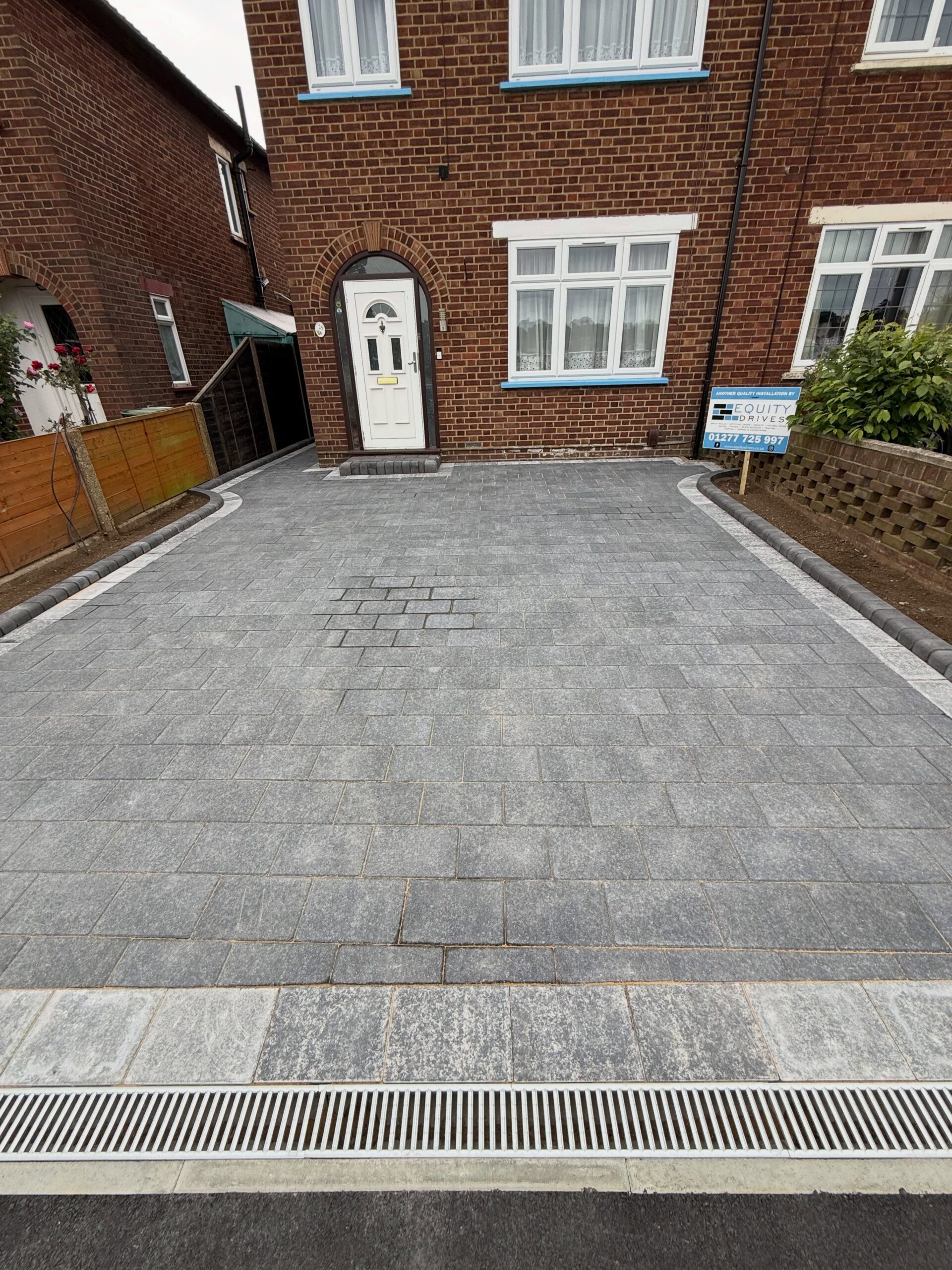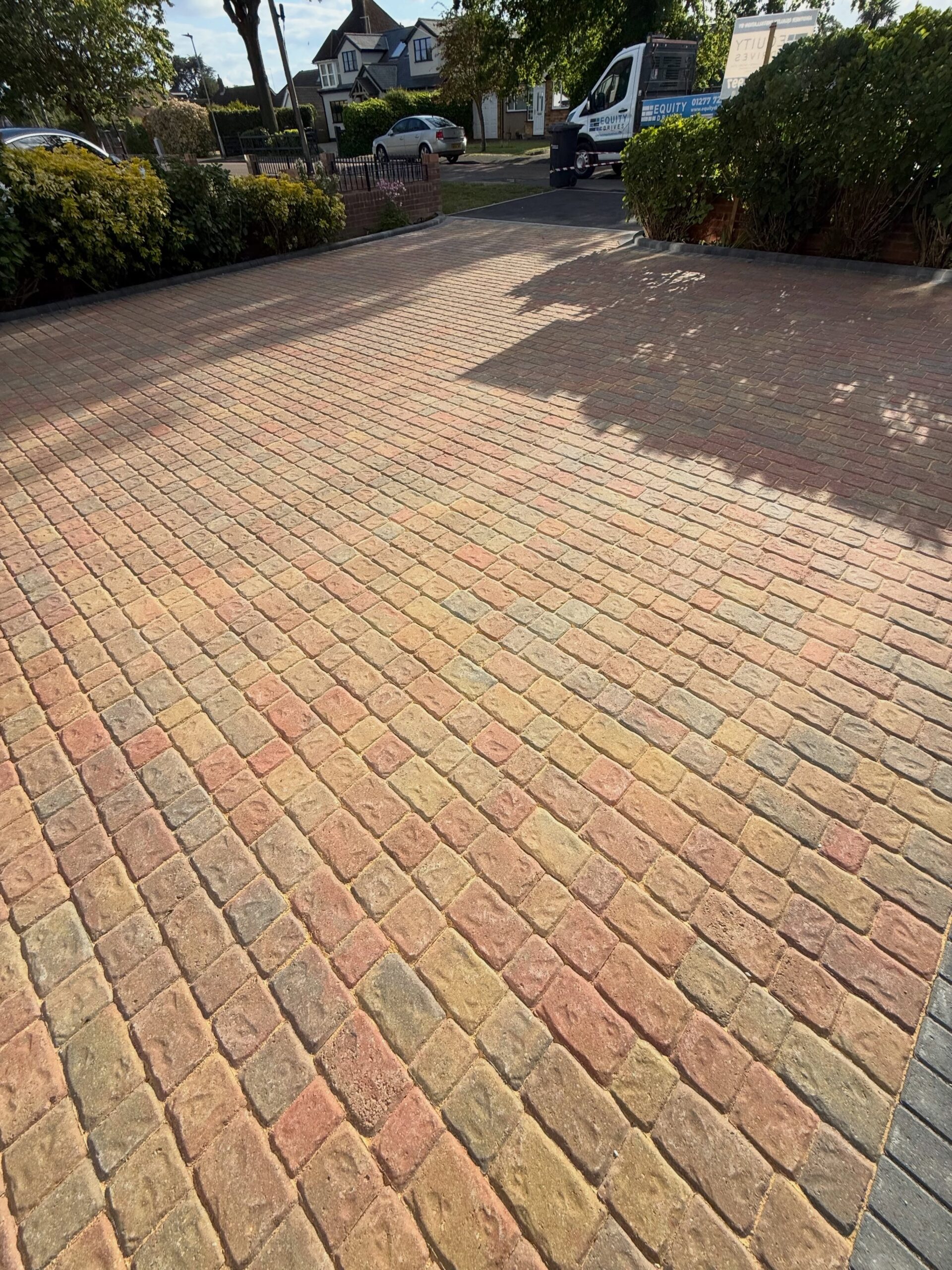
Driveway installation can take place in winter, but only when the ground, weather and chosen surface are suitable. Cold temperatures, heavy rain, frost and waterlogged soil can affect excavation, compaction, curing and surface bonding.
A professional driveway contractor will not judge conditions by the season alone. They will inspect the ground, review the forecast and follow the installation requirements for the selected material.
Some stages, such as excavation, drainage and sub-base preparation, may continue during colder months. However, the final surface may need to be delayed when conditions could affect its strength, appearance or lifespan.
Can You Install a Driveway in Winter?
Yes, you can install a driveway in winter if the ground is stable, the site is not frozen or flooded, and the material can be laid within the correct temperature range.
Winter does not automatically stop driveway work. Many projects continue safely throughout the colder months, especially when contractors plan each stage around the weather.
Work that may still be completed during winter includes:
- Removing the old driveway
- Excavating the installation area
- Installing drainage channels
- Building and compacting the sub-base
- Setting kerbs and edging
- Preparing surface levels and falls
- Laying suitable driveway materials
The main challenge is knowing when to continue and when to pause.
What Makes Winter Driveway Installation Different?
Winter driveway installation requires more planning because conditions can change quickly.
A site may appear dry in the morning but become unsuitable after heavy rain. The surface of the ground may also feel firm while frozen soil remains underneath.
Contractors must consider more than the temperature at the time of installation. They should also check:
- Overnight frost
- Recent rainfall
- Ground saturation
- Surface moisture
- Wind conditions
- Daylight hours
- Temperatures expected after installation
- Manufacturer guidance for the chosen material
A clear afternoon may not provide enough safe working time if frost is forecast that evening.
How Does Frost Affect Driveway Installation?
Frost can make the ground appear stronger than it really is.
Frozen soil may feel solid under machinery and foot traffic. However, it can soften and move once it thaws. A driveway installed over frozen ground may later sink, crack or become uneven.
Why Should Driveways Not Be Laid on Frozen Ground?
The strength of a driveway depends on the stability of the layers below it.
If the subgrade is frozen, contractors cannot accurately judge its condition or compact it properly. Once the frozen moisture melts, voids and soft areas may form beneath the sub-base.
This can lead to:
- Surface dips
- Cracked concrete
- Loose block paving
- Uneven tarmac
- Poor drainage falls
- Movement around edging
Waiting for the ground to thaw is usually safer than trying to continue and repairing the damage later.
Why Is Ground Preparation Important During Winter?
Ground preparation is one of the most important parts of any driveway installation. During winter, it becomes even more critical.
Wet or muddy soil can mix with the stone sub-base and weaken it. Standing water may also make it difficult to compact each layer evenly.
How Is the Ground Prepared for a Winter Driveway?
The contractor will normally excavate the area to the required depth and inspect the exposed ground.
Soft, loose or waterlogged material may need to be removed before the sub-base is installed. A suitable membrane may also be used to separate the soil from the aggregate layers.
Winter ground preparation may include:
- Removing unstable soil
- Pumping out standing water
- Installing a geotextile membrane
- Improving drainage
- Protecting excavated areas from rain
- Adding the sub-base in controlled layers
- Compacting each layer separately
- Rechecking levels after bad weather
The finished surface may hide this work, but the quality of the base determines how well the driveway performs.
Can a Sub-Base Be Compacted in Wet Weather?
A sub-base can sometimes be compacted in damp conditions, but it should not be installed over deep mud or heavily saturated soil.
The material must remain clean and capable of forming a firm, stable layer. If soil contaminates the aggregate, the base may lose strength.
An experienced contractor will assess the site rather than compacting material simply to keep the project on schedule.
Which Driveway Materials Can Be Installed in Winter?
Some driveway surfaces are more suitable for winter installation than others. Each material reacts differently to cold temperatures and moisture.
Block Paving Installation in Winter
Block paving can often be installed during winter, provided the ground is not frozen or severely waterlogged.
The sub-base must be stable, and the laying course must remain suitable for placing the blocks. Frozen bedding material can move after thawing, causing uneven areas.
Can Jointing Sand Be Used in Wet Weather?
Jointing sand works best when the paving and sand are dry.
If the blocks are wet, the sand may stick to the surface or fail to settle fully into the joints. This can leave the paving less stable.
Contractors may delay final sanding until a suitable dry period.
Resin Driveway Installation in Winter
Resin-bound driveway installation is sensitive to both temperature and moisture.
The base must be clean, dry, stable and free from frost. Cold weather can slow the curing process, while moisture may affect the bond between the resin, aggregate and base.
What Temperature Is Needed for Resin Driveway Installation?
The minimum temperature depends on the resin product and manufacturer guidance.
Many resin systems should not be installed in very cold, damp or frosty conditions. The contractor must also consider whether the temperature will fall during the curing period.
Installing resin outside the recommended conditions can result in:
- Uneven curing
- Surface clouding
- Weak bonding
- Loose aggregate
- Soft patches
- Reduced durability
A reputable contractor will follow the product specification rather than guessing.
Tarmac Driveway Installation in Winter
Tarmac may be installed during colder months, but the material loses heat more quickly in low temperatures.
It must arrive hot enough to be spread and compacted before it cools. The contractor therefore has less working time in winter.
What Affects Winter Tarmac Installation?
Successful installation depends on:
- Air temperature
- Ground temperature
- Distance from the asphalt plant
- Driveway size
- Site access
- Crew size
- Speed of compaction
- Wind exposure
Good organisation is essential. Delays between delivery, laying and rolling can affect the final finish.
Concrete Driveway Installation in Winter
Concrete driveways can be installed in cold weather, but fresh concrete must be protected while it cures.
If the concrete freezes before it develops enough strength, the surface may weaken or become damaged.
How Is Concrete Protected in Cold Weather?
Depending on the project and conditions, contractors may use:
- Insulated curing covers
- Suitable concrete mixes
- Controlled water content
- Temporary weather protection
- Longer curing periods
- Careful timing of the pour
Concrete should not be poured directly onto frozen ground.
The temperature must also be monitored after installation, not only while the concrete is being laid.
Gravel Driveway Installation in Winter
Gravel is often one of the more flexible surfaces for winter installation.
The final layer does not need to cure like resin or concrete. However, the driveway still requires proper excavation, drainage, edging and compaction.
Gravel should not be used to hide a soft or waterlogged base. Without correct preparation, the surface may rut, spread or sink.
Why Is Driveway Drainage Important in Winter?
Winter weather often reveals drainage problems that remain hidden during dry months.
Heavy rain shows where water collects, how it travels across the property and whether the ground drains naturally.
A driveway must direct water towards a suitable drainage point rather than allowing it to pool near the house, garage, pavement or neighbouring land.
What Drainage May Be Needed for a Winter Driveway?
Depending on the site, drainage may include:
- Linear channel drains
- Soakaways
- Permeable block paving
- Resin-bound surfacing
- Gravel drainage borders
- Drainage crates
- Correct surface gradients
- Connection to an approved drainage point
The correct solution depends on the driveway size, surface type, soil and surrounding levels.
Can Winter Help Identify Drainage Problems?
Yes. Rainfall can help contractors see exactly where water gathers and where existing falls are not working.
Although wet weather may slow the installation, it can provide useful information during the planning and ground preparation stages.
What Happens If It Rains During Driveway Installation?
Light rain may not stop every stage of the project, but prolonged or heavy rainfall can make the site unsafe or unsuitable.
Excavated ground may soften, prepared areas may flood, and clean sub-base material may become contaminated with soil.
The contractor may:
- Cover prepared areas
- Pump out standing water
- Create temporary drainage routes
- Protect stored materials
- Delay compaction
- Postpone final surfacing
A weather delay is usually better than laying a driveway in poor conditions and repairing it later.
How Long Does Winter Driveway Installation Take?
Winter driveway installation may take longer than the same project completed during dry, mild weather.
The actual timescale depends on the size of the driveway, access, drainage work, surface type, ground condition and weather.
What Can Delay a Winter Driveway Project?
Common causes of delay include:
- Frozen ground
- Heavy rainfall
- Waterlogged soil
- Snow or ice
- Short daylight hours
- Slow curing
- Material temperature limits
- Delivery disruption
- Additional drainage work
A contractor should explain these risks before work begins.
The schedule may include extra time between stages so that the site can dry, thaw or cure correctly.
Can Driveway Preparation Start Before the Final Surface Is Laid?
Yes. In some cases, contractors can complete the excavation, drainage and sub-base before waiting for better conditions to lay the final surface.
This can keep the project moving while protecting the quality of the finished driveway.
However, prepared areas may need to be covered or checked again after heavy rain or frost.
Are There Benefits to Installing a Driveway in Winter?
Winter installation has challenges, but it may also offer practical advantages.
Better Contractor Availability
Spring and summer are usually busy periods for driveway and landscaping contractors. Winter may offer more flexibility when choosing project dates.
Earlier Completion Before Spring
Completing the driveway during winter means the entrance, parking area or garden may be ready before outdoor use increases in spring.
Clearer Drainage Assessment
Wet weather can reveal pooling, runoff and poor drainage more clearly than dry conditions.
Less Disruption During Peak Outdoor Months
Homeowners may prefer to complete major exterior work when patios, gardens and outdoor areas are used less often.
These benefits still depend on choosing a contractor who will not work in unsuitable conditions.
When Should Winter Driveway Installation Be Postponed?
Driveway work should be delayed when the weather or ground condition could affect safety, compaction, curing or surface performance.
Installation may need to stop when:
- The ground is frozen
- Snow or ice covers the site
- The soil is heavily waterlogged
- Standing water cannot be controlled
- Temperatures are below product limits
- Resin or concrete cannot cure safely
- The sub-base cannot be compacted
- Heavy rainfall is forecast
- Strong winds create a safety risk
- The site cannot be kept clean
A contractor who postpones work for valid reasons is protecting the finished result.
What Are the Most Common Winter Driveway Installation Mistakes?
Many winter driveway failures happen because the work is rushed.
Laying Over Frozen Ground
The ground may move after thawing, causing settlement and cracks.
Ignoring Standing Water
Water beneath the driveway can weaken the base and affect drainage.
Compacting Muddy Ground
Mud can contaminate the sub-base and reduce its stability.
Installing Resin on a Damp Base
Moisture may affect curing, bonding and surface appearance.
Pouring Concrete Without Protection
Fresh concrete may be damaged if it freezes too soon.
Applying Jointing Sand to Wet Paving
The sand may not fill the joints properly.
Ignoring Overnight Temperatures
Conditions may be suitable during the day but unsafe during the curing period.
Rushing Before the Next Weather Change
Trying to finish before rain or frost can lead to poor compaction and uneven surfacing.
How Do Professional Contractors Manage Winter Driveway Projects?
A professional contractor plans for changing conditions before work starts.
They will check site access, drainage, ground stability, weather forecasts and material requirements. They should also protect stored materials and prepared areas from rain and frost.
Winter Site Planning May Include
- Flexible installation dates
- Weatherproof material storage
- Temporary site covers
- Water pumps
- Safe access routes
- Additional drainage checks
- Ground protection for machinery
- Daily weather monitoring
- Clear communication with the homeowner
The goal is not to complete the work as quickly as possible. It is to install the driveway correctly.
What Should a Contractor Tell Customers About Winter Delays?
Clear explanations help customers understand why certain stages must be postponed.
Instead of saying that the weather is simply “too bad”, the contractor should explain the specific problem.
For example:
“The top of the ground has thawed, but the soil below is still frozen. Compacting the sub-base today could cause movement when the deeper layer thaws, so we need to allow more time before continuing.”
This approach shows that decisions are being made to protect the driveway rather than delay the project without reason.
How Should You Choose a Contractor for Winter Driveway Installation?
Choose a contractor who understands cold-weather installation and is willing to stop when conditions are unsuitable.
Ask how they will manage:
- Frozen or saturated ground
- Drainage
- Sub-base compaction
- Material temperature limits
- Rain protection
- Curing times
- Weather delays
- Site safety
- Waste removal
- Guarantees
A written quotation should explain the main stages of the work, the materials being used and how weather-related delays will be handled.
Questions to Ask Before Winter Driveway Installation
Before agreeing to the work, ask the contractor:
- Is my chosen surface suitable for winter installation?
- What ground conditions would cause a delay?
- How will you protect the site from rain?
- What drainage does the driveway need?
- How deep will the excavation be?
- What sub-base will you use?
- How will each layer be compacted?
- What happens if frost is forecast?
- How long will the surface need to cure?
- When can vehicles use the driveway?
- Is the workmanship guaranteed?
- Will weather delays affect the quoted price?
Clear answers can help you compare contractors and avoid misunderstandings.
Winter Driveway Installation Services
A well-installed driveway can still be completed during winter when each stage is planned around the conditions.
Professional installation may include:
- Site inspection and measurements
- Existing surface removal
- Ground excavation
- Drainage installation
- Sub-base construction
- Kerbs and edging
- Block paving
- Resin-bound surfacing
- Tarmac installation
- Concrete driveways
- Gravel driveways
- Repairs and resurfacing
The correct approach depends on the site, chosen surface and local weather.
Request a Winter Driveway Installation Quote
Planning a new driveway during the colder months does not mean you need to wait until summer.
The first step is a site assessment. A contractor can inspect the ground, review drainage, discuss suitable materials and explain how winter weather may affect the programme.
A clear quotation should include the preparation work, surface material, drainage requirements, expected timescale and any conditions that may delay installation.
Final Thoughts
Driveway installation in winter is possible, but the work must be guided by ground conditions rather than fixed dates.
A professional contractor will inspect the soil, monitor rainfall, check overnight temperatures and follow the installation requirements for the selected surface.
Some stages may continue while others are postponed. This flexible approach protects the driveway from settlement, cracking, poor bonding and drainage problems.
A short delay caused by frost or rain is rarely a wasted day. It is often what prevents years of avoidable repairs.
Frequently Asked Questions
Can a driveway be installed in December or January?
Yes, a driveway may be installed in December or January when the ground is not frozen or waterlogged and the chosen material can be laid safely.
The contractor must assess the site and forecast before each stage.
Is winter a bad time to install a driveway?
Winter is not always a bad time to install a driveway. The main risks are frost, heavy rain, saturated ground and low curing temperatures.
Good planning and proper ground preparation can reduce these risks.
Can block paving be laid in cold weather?
Block paving can be laid in cold weather if the ground and bedding layer are not frozen. The paving should also be dry enough for the jointing sand to fill the gaps correctly.
Can resin be laid in winter?
Resin can sometimes be laid in winter, but only within the temperature and moisture limits set by the manufacturer.
The base must be dry, stable and free from frost.
Can tarmac be laid in winter?
Tarmac can be laid during colder months, but it cools faster. The installation team must spread and compact it efficiently before it loses too much heat.
Can concrete be poured in cold weather?
Concrete can be poured in cold weather with suitable planning and protection. It should not be poured onto frozen ground, and fresh concrete must be protected from freezing while it gains strength.
Can gravel driveways be installed in winter?
Yes, gravel driveways are often suitable for winter installation. However, the ground must still be excavated, drained and compacted correctly.
What happens if it rains after the driveway is laid?
The effect depends on the surface and how recently it was installed.
Some materials require dry curing conditions, while others may tolerate light rain. The contractor should explain how the surface will be protected and when it becomes weather-resistant.
How long should I wait before parking on a new driveway?
The waiting time depends on the material.
Block paving and gravel may be usable relatively quickly, while concrete, resin and tarmac may require a set curing or cooling period. Always follow the contractor’s instructions.
Will winter driveway installation cost more?
It may cost more if the project needs additional drainage, ground stabilisation, weather protection or longer labour time.
However, the season alone does not always increase the price. The site condition and chosen material have a greater effect.
Should excavation be left open during heavy rain?
Open excavation should be protected or managed carefully during heavy rain. Standing water may need to be removed before the sub-base is installed.
How can I tell whether the ground is too wet?
Soft soil, standing water, deep tyre marks and ground movement underfoot may suggest the site is too wet.
A contractor should inspect the ground below the surface before continuing.
Is it better to wait until spring?
Waiting may be sensible if the ground remains frozen, the site is severely waterlogged or the selected material cannot be installed within its required temperature range.
However, suitable winter conditions can still allow the project to proceed.
What is the best driveway material for winter installation?
Gravel and block paving may offer more flexibility than temperature-sensitive resin or concrete. However, the best option depends on the ground, drainage, budget, appearance and expected vehicle use.
Do contractors work during frost?
Contractors may complete certain tasks during cold weather, but they should not install or compact driveway layers over frozen ground.