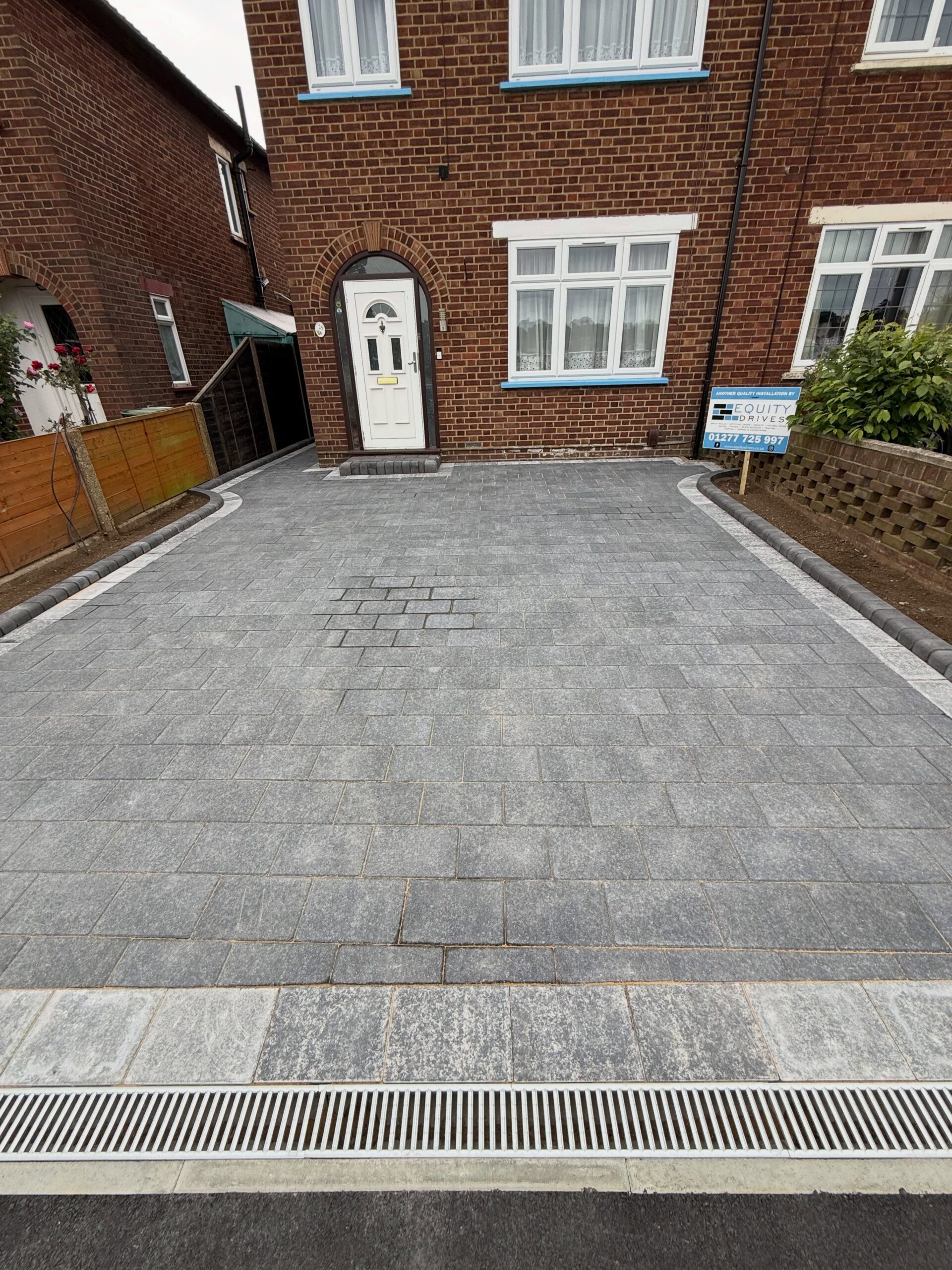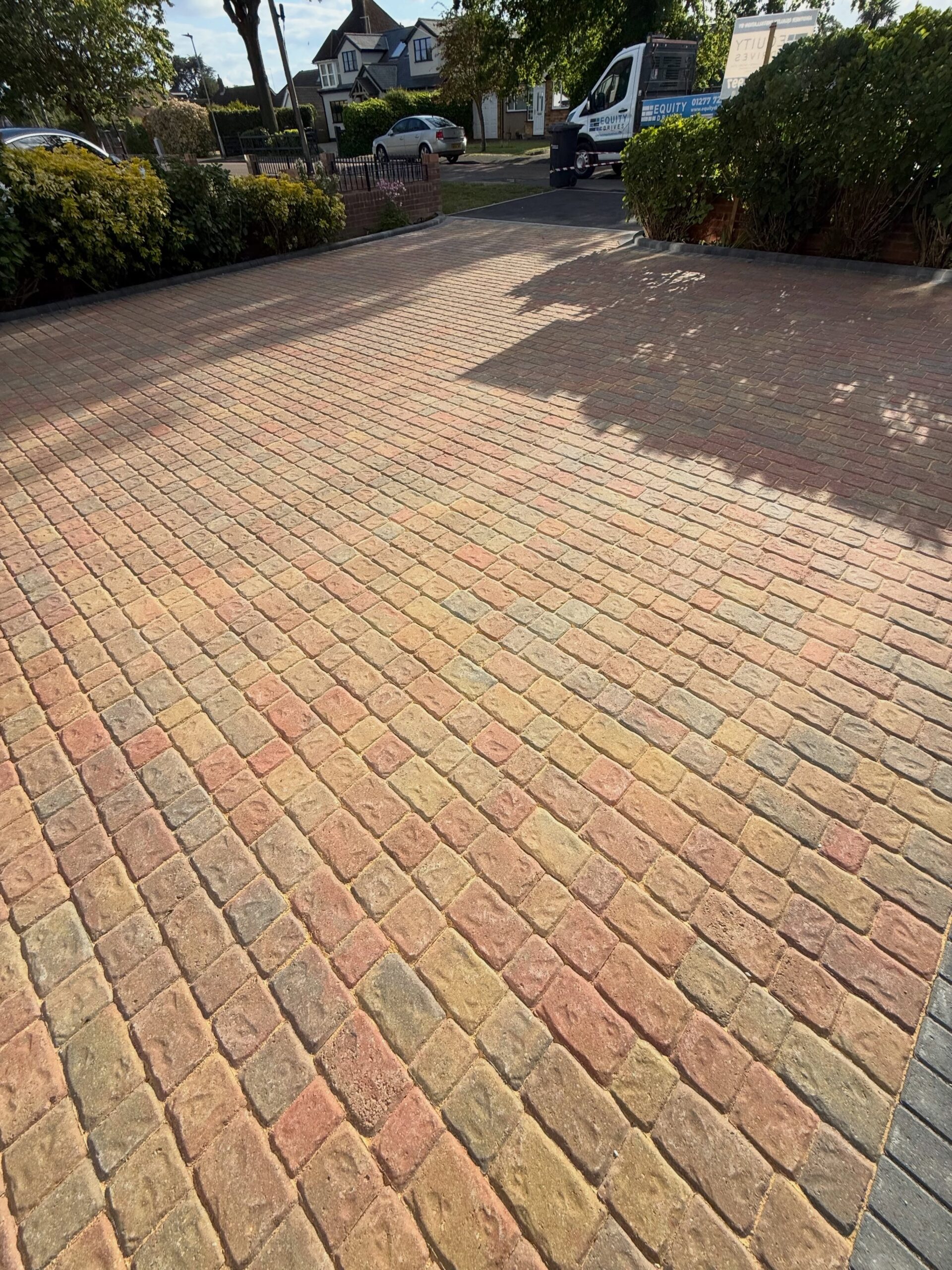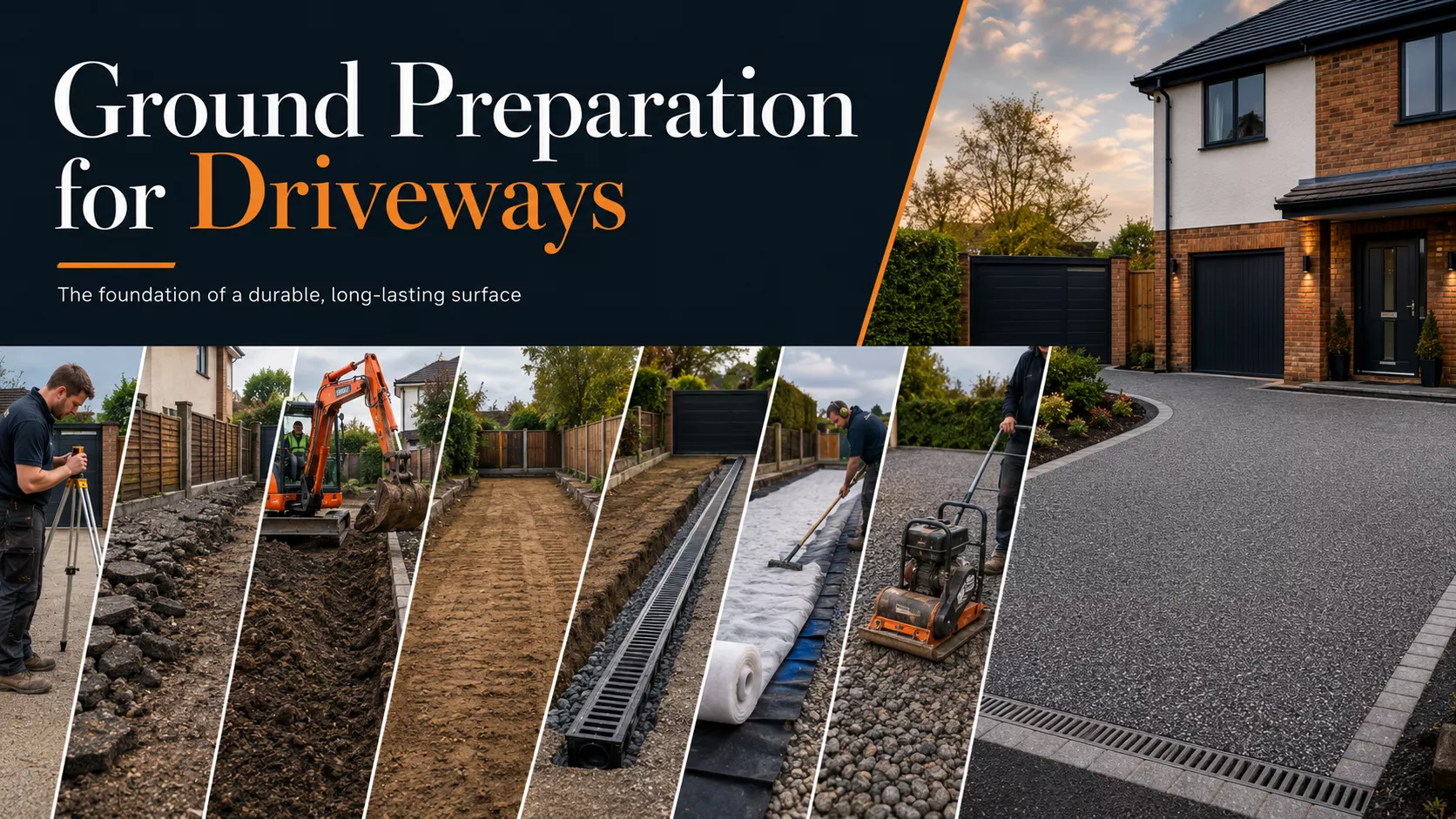
Ground preparation is the foundation of every strong driveway, level patio and long-lasting garden transformation. Before any paving, resin, gravel, turf or landscaping feature goes down, the ground must be cleared, excavated, levelled, compacted and prepared for drainage.
A finished outdoor space may be judged by how it looks, but its real strength sits underneath the surface. When the groundwork is done properly, the surface stays firm, drains well and handles daily use. When it is rushed, the problems usually appear later as dips, cracks, puddles, loose edges or uneven slabs.
For driveways, patios and landscaping projects, proper ground preparation is not an optional extra. It is the stage that protects the whole investment.
Why Ground Preparation Matters
Ground preparation matters because every outdoor surface needs a stable base. Cars, foot traffic, garden furniture, rainwater, frost and natural ground movement all place pressure on the surface above.
A driveway has to carry vehicle weight without sinking. A patio needs to stay level, safe and comfortable underfoot. A landscaped garden needs the right shape, levels and drainage before it can settle properly.
Without the correct preparation, even high-quality materials can fail. Block paving can move. Resin can crack. Gravel can spread. Patio slabs can rock. Artificial grass can dip. Turf can struggle to drain.
Good ground preparation helps prevent:
- Sinking and soft spots
- Standing water and poor drainage
- Uneven paving or patio slabs
- Loose driveway edges
- Surface cracks and movement
- Weed growth through weak areas
- Premature wear and costly repairs
What Is Ground Preparation?
Ground preparation is the process of getting the land ready before a driveway, patio, path or landscaped area is installed. It usually includes clearing the site, removing the old surface, excavating to the correct depth, improving levels, installing a strong sub-base and planning drainage.
It is not simply a case of digging out soil. A skilled contractor checks how the area will be used, what type of surface is being installed, how water will move across the space and whether the ground underneath is strong enough to support the finished project.
The aim is simple: create a clean, firm and well-drained base that allows the final surface to perform properly.
Our Ground Preparation Services
We provide ground preparation for driveways, patios, garden paths, landscaping projects and outdoor surface installations. Whether the project involves replacing an old driveway or preparing a garden for a full redesign, the work starts with getting the base right.
Site Clearance and Old Surface Removal
The first stage is clearing the area. This may involve removing old paving, concrete, tarmac, gravel, turf, weeds, roots, waste materials or damaged garden features.
A clean site gives the project a proper starting point. It also allows the ground underneath to be inspected before new materials are installed.
Excavation to the Correct Depth
Excavation depth depends on the type of surface and how the area will be used. A driveway needs a deeper and stronger build-up than a light-use garden path because it has to support the weight of vehicles.
During excavation, weak soil, soft areas and unstable ground can be removed. This helps reduce the risk of later movement, dips or surface failure.
Ground Levelling and Shaping
Once the area has been excavated, the ground needs to be shaped and levelled correctly. This does not always mean making the area completely flat. In many cases, the surface needs a slight fall so rainwater can drain away safely.
Good levelling helps create a practical finish. It also makes the space easier to use, whether it is a driveway entrance, a patio seating area or a landscaped garden.
Sub-Base Installation
The sub-base is one of the most important parts of ground preparation. It provides strength and support for the finished surface.
For many driveway and patio projects, a compacted stone sub-base such as MOT Type 1 is used. The material is laid in layers and compacted to create a firm foundation.
A well-installed sub-base helps prevent sinking, spreading and movement.
Compaction for Strength
Compaction is where the base is pressed down firmly to remove air gaps and weak pockets. This step is often where the long-term quality of the job is decided.
A rushed base may look acceptable at first, but it can settle unevenly once cars, rain and regular use begin to affect it. Proper compaction creates a stronger, more stable foundation.
Drainage Planning
Drainage must be considered before the final surface is installed. Water should move away from buildings, entrances and sitting areas rather than collecting in puddles.
Depending on the project, drainage may include a suitable fall, permeable surfaces, gravel borders, channel drains, soakaways or careful shaping of the ground.
Poor drainage is one of the most common causes of driveway, patio and landscaping problems.
Ground Preparation for Driveways
Driveway ground preparation needs to be strong because the surface must carry repeated vehicle weight. The ground is excavated, levelled and compacted before a suitable sub-base is installed.
The base must be deep enough, firm enough and properly compacted. Edging also plays an important role because it helps hold the driveway structure in place.
A well-prepared driveway base helps prevent tyre ruts, sinking areas, loose edges and surface movement.
Common Driveway Surfaces We Prepare Ground For
We prepare ground for a wide range of driveway surfaces, including:
- Block paving driveways
- Resin-bound driveways
- Gravel driveways
- Tarmac driveways
- Concrete driveways
- Permeable driveway systems
Each surface needs a slightly different approach. For example, a resin-bound driveway needs a clean, stable and suitable base, while a gravel driveway needs strong edging and a well-compacted structure to stop the gravel spreading.
Ground Preparation for Patios
Patio ground preparation focuses on stability, levels and water flow. The area must be cleared, excavated and compacted before the laying base is installed.
A patio should feel solid underfoot. Slabs should not rock, sink or hold water. The fall should usually guide rainwater away from the property, especially near doors, walls, conservatories and garden rooms.
A properly prepared patio base helps create a safer, neater and longer-lasting outdoor space.
Patio Problems Caused by Poor Preparation
Poor patio preparation can lead to:
- Rocking slabs
- Uneven joints
- Puddles near the house
- Loose or cracked paving
- Weed growth between gaps
- Sunken seating areas
- Early repair work
Most of these issues start below the surface, not with the paving itself.
Ground Preparation for Landscaping
Landscaping ground preparation is about shaping the outdoor space so it works properly. This may include clearing old turf, removing roots, improving soil, creating levels, forming borders, preparing paths or building up areas for new features.
Good preparation helps the garden settle well and makes the finished design easier to maintain.
Landscaping Projects That Need Ground Preparation
Ground preparation is often needed for:
- Garden redesigns
- New lawns
- Artificial grass
- Gravel areas
- Raised beds
- Garden paths
- Sleeper borders
- Drainage improvements
- Outdoor seating areas
- Patio and driveway extensions
A garden may look simple on the surface, but the structure underneath decides how well it performs through rain, foot traffic and seasonal changes.
Our Ground Preparation Process
Every project is different, but a careful ground preparation process usually follows a clear sequence.
1. Site Assessment
We inspect the area, check the existing surface, review the levels and consider how the space will be used. This helps us decide the right preparation method.
2. Clearance and Removal
Old materials, turf, weeds, waste and damaged surfaces are removed so the area is ready for excavation.
3. Excavation
The ground is dug out to the required depth based on the chosen surface and expected use.
4. Levelling and Drainage Planning
The area is shaped to the correct levels, with attention given to water flow and practical use.
5. Sub-Base Installation
A suitable sub-base is installed to create strength and stability beneath the finished surface.
6. Compaction
The base is compacted properly to reduce movement, soft spots and future sinking.
7. Final Preparation
The area is checked before the final driveway, patio or landscaping surface is installed.
Signs Your Ground Needs Proper Preparation
Some outdoor spaces clearly need more preparation than others. Warning signs include soft ground, standing water, uneven levels, cracked concrete, loose paving, heavy weed growth or areas that sink after rain.
You may need professional ground preparation if:
- Your driveway has dips or tyre marks
- Your patio slabs are uneven or loose
- Rainwater sits in one area
- The garden feels boggy or unstable
- The old surface is cracked or breaking up
- You are changing from lawn to paving
- You are installing a heavier surface
- You want a long-lasting finish, not a quick patch
Why Choose Us for Ground Preparation?
We understand that strong outdoor work starts below the surface. The visible finish matters, but the preparation underneath is what gives it strength.
Our approach is practical, careful and built around long-term results. We do not treat ground preparation as a quick step before the “real work” starts. For us, it is the real work.
We focus on correct excavation, stable sub-base installation, careful compaction and sensible drainage planning. That means your driveway, patio or landscaped area has the best chance of staying firm, neat and usable for years.
Book Ground Preparation for Your Outdoor Project
Whether you are planning a new driveway, replacing an old patio or redesigning your garden, proper ground preparation gives the project a stronger start.
A great finish begins with a solid base. Get the groundwork right first, and everything above it has a better chance of lasting.
Contact us today to discuss ground preparation for your driveway, patio or landscaping project.
FAQs
What does ground preparation include?
Ground preparation usually includes site clearance, old surface removal, excavation, levelling, sub-base installation, compaction and drainage planning. The exact work depends on the surface being installed and the condition of the ground.
Why is ground preparation important for a driveway?
Ground preparation is important for a driveway because the surface must carry vehicle weight. Without a strong compacted base, the driveway may sink, crack, move or develop tyre ruts over time.
How deep should ground be dug for a driveway?
The excavation depth depends on the driveway surface, soil condition and expected vehicle use. A driveway normally needs a deeper build-up than a patio or path because it must support heavier loads.
What is a sub-base?
A sub-base is the compacted layer of stone installed beneath a driveway, patio or paved area. It spreads weight, improves stability and helps reduce movement in the finished surface.
Why does poor ground preparation cause sinking?
Poor ground preparation causes sinking when the base is too weak, too shallow or not compacted properly. Soft pockets underneath the surface can settle over time, creating dips or uneven areas.
Does ground preparation help with drainage?
Yes. Good ground preparation helps control drainage by shaping the levels and directing rainwater away from buildings and problem areas. Drainage should always be planned before the final surface is installed.
Is ground preparation needed for patios?
Yes. Patios need a stable and well-prepared base to stop slabs from rocking, sinking or holding water. Proper preparation also helps create a safer and more comfortable outdoor area.
Can you lay paving over old concrete?
In some cases, paving can be laid over old concrete if the base is solid, clean, stable and drains correctly. However, cracked, loose or uneven concrete may need to be removed before installation.
How long does ground preparation take?
Ground preparation timescales depend on the size of the area, access, ground condition, drainage needs and the surface being installed. Small patios may take less time, while larger driveways or full garden projects may need more preparation.
What happens if ground preparation is rushed?
If ground preparation is rushed, the finished surface may look good at first but fail later. Common problems include sinking, puddles, cracks, loose edges, rocking slabs and uneven settlement.